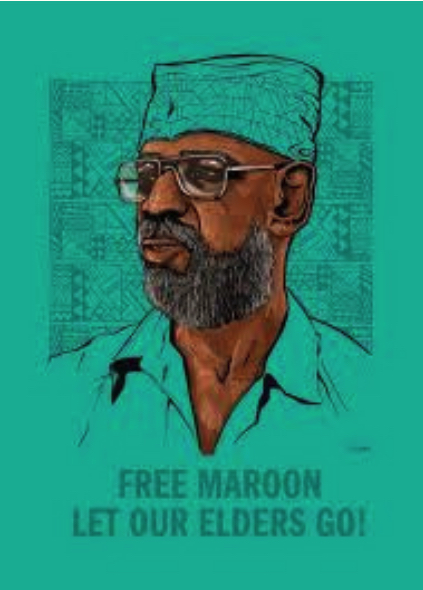
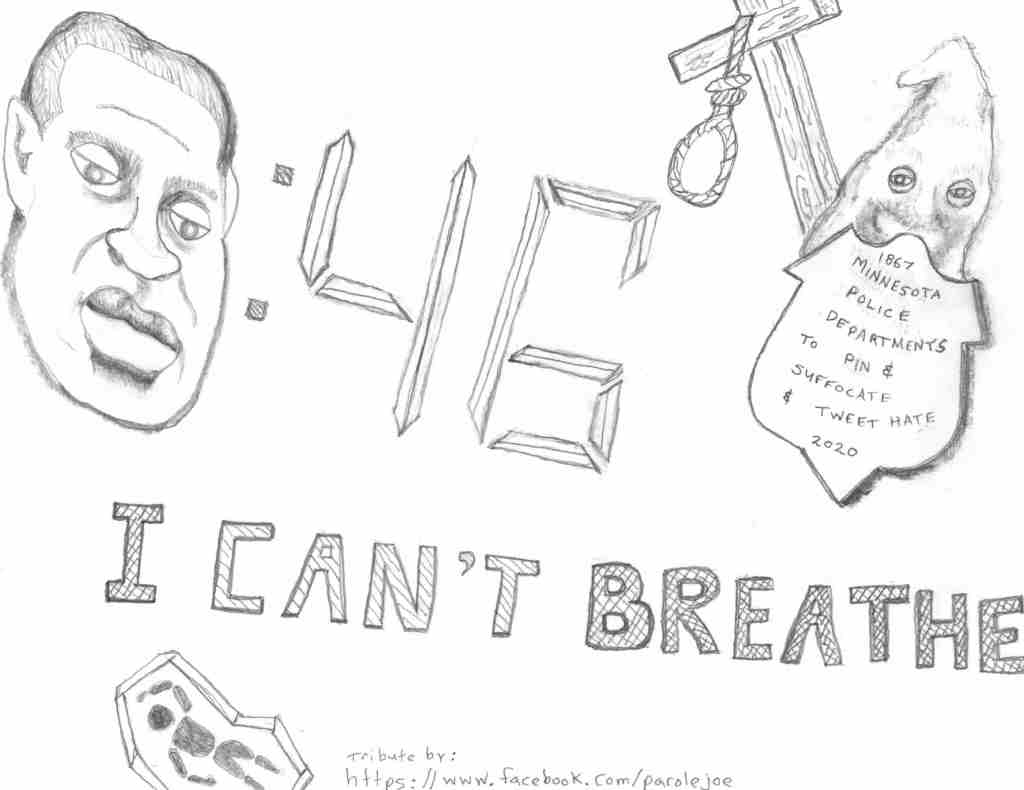
Aging Black Liberation Political Prisoner Russell Maroon Shoatz, Bedridden with COVID-19 and Cancer, Shows Us Why PA Must #FreeEmAll

by Suzy Subways

As COVID-19 surges through the state and tears through its prisons, loved ones of incarcerated people are driving to Harrisburg today, calling for Gov. Tom Wolf to use his reprieve power to immediately release all elderly and medically vulnerable people in prison. Loved ones are also asking the Department of Corrections to require prison staff to wear face masks and be tested for COVID-19. As part of a national caravan for health and social justice, the Pennsylvania Poor People’s Campaign worked with local anti-prison groups like the Human Rights Coalition and the Coalition to Abolish Death By Incarceration (CADBI) to center the survival of people in prison on this day. The car caravan will circle the state capitol and proceed to the governor’s mansion.

Amid the horror that is the Pennsylvania Department of Corrections right now, Black liberation movement political prisoner Russell Maroon Shoatz may be one of the best examples of how that horror is playing out for elderly prisoners and their families. Maroon is 77 years old and has been fighting stage 4 colon cancer for over a year. After testing positive for COVID-19 on Nov. 11, Maroon was held in a gymnasium with 29 other men—and only one toilet to share between them. Meanwhile, he has had blood in his stool, and his urgent surgery for the cancer is now being denied. 

Continue reading “Aging Black Liberation Political Prisoner Russell Maroon Shoatz, Bedridden with COVID-19 and Cancer, Shows Us Why PA Must #FreeEmAll”

Coping with Wildfires

By Frankie Snow

From PHN Issue 44, Fall 2020

While coping with multiple crises, many communities this year have also had to navigate wildfires threatening their safety. Wildfires occur when there is a large fire that spreads across forests, grasslands, or brush. Their spread can also impact towns and cities nearby. Wildfires can be caused by lightning or by accidents from campfires, fireworks, or electrical failures. Small fires can be a natural part of the life cycle for forests, and indigenous communities have practiced controlled burning to encourage new growth in forests for ages. Wildfires have become more prevalent and destructive due to droughts and warmer temperatures from climate change. In the western United States, residents in California, Washington, Oregon, and Colorado have had to evacuate or shelter from smoke due to a number of uncontrolled wildfires.

Continue reading

Letter from Josh O’Connor: solitary confinement, food access, and being Native in prison

The following is excerpted from a letter sent to us a Prison Health News reader, published with his permission.

My name is Josh O’Connor.  I’m 20 years old and serving a 22 yr sentence for a crime I committed at 17 years old.  I’m Native American and a vegan. 

I’m in solitary for a fight I got into and have been here for 4 months and was told I would be forced to stay in solitary confinement for the next 6-8 months.    I fear the mental/physical detrimental effects being in solitary confinement for so long and how I may suffer permanent health effects.   I have met many inmates who have spent years – 7, 10, and even up to 20 in solitary confinement and you can easily see the adverse/detrimental deterioration of their health.  Many have had insufficient brain activity to communicate with others not to mention get a job, and you can see many don’t get enough nutrients, because of the lack of sun/vitamins, which makes us very sick.  I hope something will be done soon regarding limiting or abolishing solitary confinement.  

Continue reading “Letter from Josh O’Connor: solitary confinement, food access, and being Native in prison”

The Pandemic of Anti-Blackness

By Lorin Jackson

From PHN Issue 44, Fall 2020

“These are hard times for Black America,” Lecia Brooks and Eric K. Ward write in an article for the Southern Poverty Law Center. “Black communities are disproportionately devastated by COVID-19—one in 500 of us is projected to die from the virus by January 1—along with police violence and criminalization, wage inequities, healthcare disparities, environmental toxins, and hate crimes.”

COVID-19 and anti-Blackness go hand-in-hand. Anti-Blackness is a pandemic and has been for many years. As with COVID-19, anti-Blackness is a global phenomenon that impacts the well-being of Black people.

Continue reading

The Latest Info on COVID-19

By Lucy Gleysteen

From PHN Issue 44, Fall 2020

As of October 2020, at least 1 million people worldwide and 200,000 people in the United States have died of COVID-19. Experts say that the true number of deaths is higher than what has been reported. In the United States, the number of deaths would have been lower had there been wide-scale testing, contact tracing, mask wearing mandates, accessible personal protective equipment for essential workers, and large-scale quarantining. COVID-19 still persists, and the number of deaths continues to rise. Case counts on the outside are trending upwards, reaching peak levels in some places.

Over the course of the spring and summer, COVID-19 cases have soared in prisons across the United States. In prisons and jails, infectious diseases spread quickly because the conditions of incarceration force people into crowded living situations without access to proper safety and prevention measures.

How is COVID-19 spread?

The virus that causes COVID-19 spreads through person-to-person contact, most often through respiratory droplets. Respiratory droplets are small particles that come from a person’s mouth or nose. Droplet transmission occurs when a person who has COVID-19 coughs, sneezes, or talks near someone else and they inhale the particles. The Center for Disease Control provides guidance that people should stay at least six feet apart to prevent the transmission of COVID-19. However, it is still possible for COVID-19 to be transmitted from farther away if someone who has COVID-19 is in an enclosed space with few windows and poor ventilation. This is called airborne transmission. In enclosed spaces with other people, there is the possibility of contracting COVID-19 because those environments contribute to the buildup of virus-carrying particles in the air. This possibility is also higher if people are doing activities that can release more virus-carrying particles into the air, like shouting, singing, or exercising. It is still possible to contract COVID-19 from touching objects and then touching your eyes, nose, or eating. It is important to wipe down surfaces and frequently wash your hands to reduce risk. Strategies to avoid COVID-19 are often harder in prison than for people on the outside. These strategies include staying at least 6 feet away from other people, wearing a mask that covers the nose and mouth, washing hands frequently, and to the extent that it’s possible, avoiding crowded spaces.

What’s it like to get COVID-19?

Most people who contract COVID-19 experience mild to moderate symptoms and recover without medical intervention. However, serious illness can develop. People over the age of 65 or who have pre-existing conditions such as cancer, being immunocompromised, chronic kidney disease, heart conditions, sickle cell disease, and diabetes are at increased risk for complications from COVID-19. The most common symptoms of COVID-19 include a fever, dry cough, tiredness, and shortness of breath. Additional symptoms include congestion, sore throat, headache, diarrhea, muscle and body aches, and/or new loss of taste or smell.

When to seek immediate medical attention

If someone is having trouble breathing, chest pain or pressure, confusion, an inability to wake or stay awake, or looks blue in the face or lips, seek immediate medical attention.

Long-term impacts of COVID-19

Many of the long-term effects of COVID-19 remain unknown because it is a new illness. The long-term impact of COVID-19 varies depending on the person. While some people are able to clear the virus and recover after a few weeks, others experience COVID-19 symptoms for months. The virus can damage the lungs, heart, and brain, which can lead to serious long-term health issues.

For some people, COVID-19 has affected their hearts by causing inflammation and damage to the heart muscle. Heart damage is a part of what can cause COVID-19 to be severe and deadly, for people of any age. The impact of COVID-19 on the heart may be the cause of some of the long-term symptoms people have reported after COVID-19. This includes shortness of breath, chest pains, and heart palpitations. Another serious side effect of COVID-19 is the possibility of a stroke. COVID-19 can cause blood clots that travel throughout the body and lead to stroke. This can happen to people of all ages. Some people experience cognitive difficulties during and after having COVID-19. This includes memory loss, confusion, dizziness, difficulty focusing, and brain fog.

Is there a vaccine yet?

Researchers around the world are working to find a vaccine for COVID-19. Vaccines usually take years of research and testing before they become available to the public. This process is being accelerated for the COVID-19 vaccine due to the wide-scale health and economic devastation the pandemic has caused. At the moment, there are many different vaccines that are being tested for COVID-19. Some of these options have been promising, but more data is still needed. When a vaccine is approved, there is no way of knowing how long it will take to get everyone vaccinated. Having an effective vaccine would be a significant step in ending the pandemic. However, it will only work if researchers are certain that the vaccines are effective and safe.

Who is most impacted by COVID-19?

While COVID-19 impacts everyone, those who experience systemic oppression are most vulnerable to contracting the virus and experiencing symptoms. This includes people in prison, people living in poverty, the elderly, essential workers, people with chronic illnesses and disabilities, undocumented people, people of color, and many more not mentioned. People who cannot work from home are vulnerable because they face the possibility of a COVID-19 exposure in order to earn a living. Factors that contribute to increased risk, especially for Black and indigenous people, include discrimination in healthcare systems, housing, education, and criminal justice. Not only does this lead to toxic stress, which can harm the immune system, but it also impacts who receives healthcare and the quality of healthcare they receive. A person’s geographic location and their local government can have an impact on risk if they live in a part of the country where COVID-19 is not taken seriously.

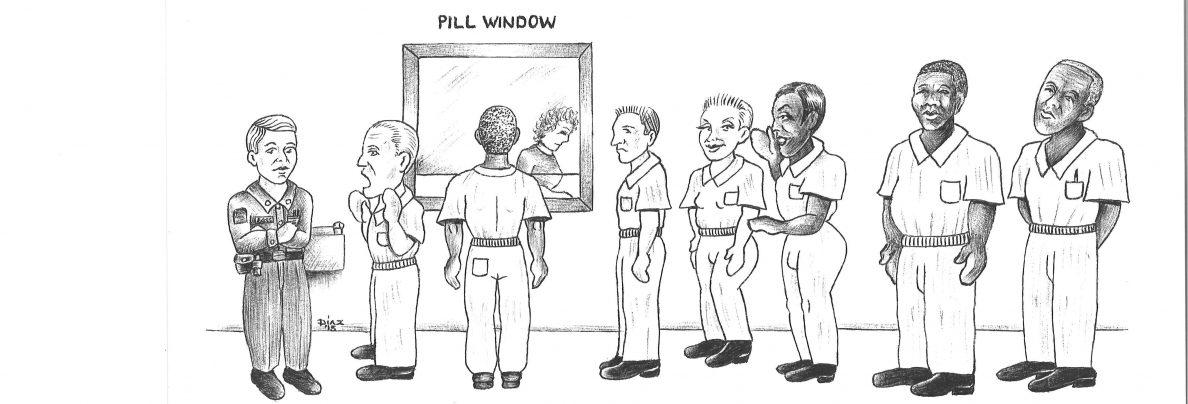
How Other Health Conditions Interact with COVID-19 (Coronavirus)

By Lily H-A

From PHN Issue 44, Fall 2020

Researchers have found that there are certain factors, including having other health conditions, that make it more likely you will have a severe illness if you catch COVID-19.

Here are some of the factors that seem to go along with more complications from COVID-19. Of course, having these health conditions doesn’t guarantee you’ll definitely get severely ill if you catch COVID-19. And people who are otherwise healthy can still get very ill if they catch COVID-19. The best way to prevent getting severe complications from COVID-19 is to not get it at all, so it’s important to keep practicing social distancing when possible, wearing a face covering, and practicing hand hygiene.

Some of these you can do more about than others. For the ones you can do something about, we’ve included some tips. Eating healthy, being physically active, and quitting smoking can improve or lower your risk of a lot of these health conditions. If you take medications, take them regularly and make sure you have enough refills.

Continue reading

Self-Care Tips From Contributors

From PHN Issue 43, Fall 2020

My Daily Health and Fitness Program
By Aging Graciously

My daily health and fitness program is simple, easy, and doable. I borrowed it from a Loma Linda University health article and would like to share it with you. It’s the acronym “NEW START”:

N is for NUTRITION: Eat your vegetables, fruits, and hot cereals on your food tray, along with your healthy snacks in your lunch box such as almonds and dried fruit

E is for EXERCISE, ENERGIZE: Walk, stretch, jog, move around

W — drink your required amount of WATER: This is mandatory

S — get your 30 minutes of SUNSHINE: Get outdoors

T — be TEMPERATE: Don’t overdo anything; use moderation

A — get fresh AIR: Early morning is best

R — get your REST: Sleep your 8 hours

TTAKE TIME for prayer and meditation

Every day is a brand new day—a new start.

Continue reading

COPD: Chronic Obstructive Pulmonary Disease

By Seth Lamming

From PHN Issue 44, Fall 2020

Chronic obstructive pulmonary disease (COPD) is a common group of diseases that affect the lungs and airways. COPD is treatable and preventable, but it is the fourth leading cause of death in the United States. COPD is caused by smoking or inhaling fumes or dust over a long period of time. Sometimes genetics and environment can cause COPD, as well as untreated asthma.

The lungs are a pair of air-filled organs in the chest that allow your body to take in oxygen and exhale carbon dioxide. Air goes down the trachea (windpipe) and splits off into two bronchi (smaller windpipes) that supply each lung. The two windpipes supplying each lung branch off and get smaller and smaller, like tree roots. At the end of each airway are tiny alveoli (air sacs). Blood vessels surround the air sacs and take oxygen from them to the body.

Chronic bronchitis and emphysema are the two major categories of COPD. Many people have a combination of both, but one type usually dominates. Chronic bronchitis is when the airways become inflamed and get narrow. The airways also release a lot of thick mucus that the body cannot clear. In emphysema, the air sacs get damaged and can no longer exchange oxygen with blood vessels in the lungs. Air gets trapped in the lungs, which causes airspaces in the lungs to get permanently enlarged. The word “obstructive” in COPD refers to air getting trapped in the lungs. Physical changes to the airway make it difficult for people with COPD to fully exhale each breath.

Continue reading

Medical Concerns and Advocacy in Prison: My Perspective

By Joshua O’Connor AKA “Apache”

From PHN Issue 43, Summer 2020

One concern I would like to address is the deliberate indifference and lack of remedy regarding addressing medical concerns in prison. For months, I have been trying to get a new mattress, because my current one is flat and falling apart. In fact, the mattress is only about half an inch thick.

A few years ago (prior to my incarceration), I was in a terrible car accident. My friends and I were lucky to be alive after the accident occurred. I did come away from the accident with multiple injuries, though. I sustained a skull fracture, major concussion, broken leg, broken ankle, and a dislocated kneecap. I still suffer pain all over my body to this day.

The current mattress I have has made my pain so much worse, so I contacted multiple staff members, including medical staff and the sergeant, to ask for a new, better mattress. Nothing happened at first. It wasn’t until I sent a grievance that the sergeant had me come to his office to discuss my concern.

Continue reading