
The ABCs of HEPATITIS

By Hannah Calvelli and Lucy Gleysteen
From PHN Issue 51, Winter 2023

Hepatitis refers to inflammation of the liver. There are several types of viruses that cause hepatitis, but this article will focus on types A, B, and C. The liver is a large organ in the body, located under the right rib cage. It has many important roles, including cleaning toxins out of the body; breaking down proteins, carbohydrates, and fats to help digest food; regulating the amount of blood in the body; and helping blood in the body to clot. Hepatitis is caused by infections from different viruses (called hepatitis A, B, and C) that damage the liver.

Continue reading “The ABCs of HEPATITIS”

Making Sense Of The Letters Behind Your Healthcare Provider’s Name

By Seth Lammming and Hannah Faeben
From PHN Issue 51, Winter 2023

At some point in time, you’ve probably been in a doctor’s office or medical facility and noticed all sorts of letters after people’s names. MD, PA, DO, NP, RN, the list goes on. The alphabet soup can get confusing. In this article, we will break down the basic differences between physicians and mid-level providers and what some of these letters mean.

Continue reading “Making Sense Of The Letters Behind Your Healthcare Provider’s Name”

Breast Cancer SELF-EXAMS & SCREENING

By Frankie Snow
From PHN Issue 51, Winter 2023

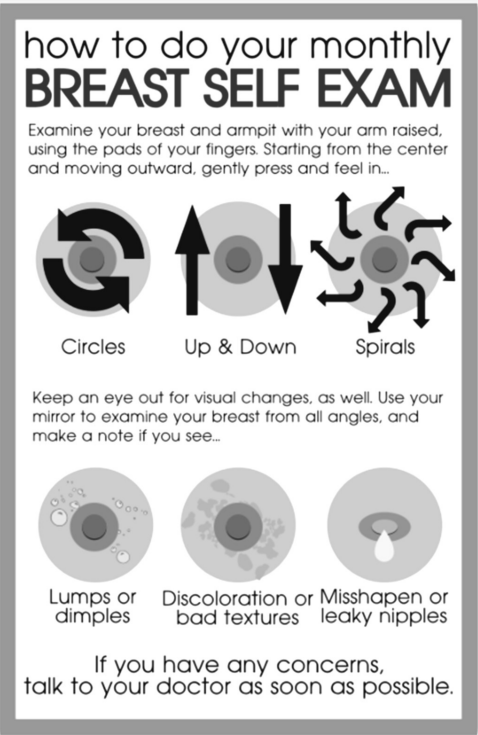
It can be helpful to know the look and feel of your breasts so you are aware when changes occur. If you notice lumps, pain, or changes in size, talk with your doctor about further testing. Try to complete a self-exam once a month, usually seven days after the start of your period, or on the same date each month if you do not menstruate.

Continue reading “Breast Cancer SELF-EXAMS & SCREENING”

How to Obtain/Secure a Medical Release of Information for an Incarcerated Individual in PA State Prison

By Elaine Selan, RN, MSN

Our current health crisis is one that impacts each of us in different ways; it brings to light so many questions and concerns.  Often as nurse who is also a human rights activist, I am contacted by family members asking how one can obtain medical information about a loved one who is incarcerated.  Typically, this need arrives when the loved one becomes ill.  However, getting a Release of Information [ROI] when your loved one is not ill will make it easier to get information if the need occurs.

The process has many steps; and, even if followed correctly, the DOC’s health services may present obstacles that need to be addressed.  Determination is crucial!!! 

Continue reading “How to Obtain/Secure a Medical Release of Information for an Incarcerated Individual in PA State Prison”

When There’s a Pandemic and Your Loved One Is in Prison

Ideas for support and advocacy during the COVID-19 crisis 

By Evelyne Kane and Suzy Subways

It’s challenging enough for loved ones of people in prison: paying for expensive phone calls, trying to advocate for your loved one’s health, keeping your head up through it all. And now we have to deal with this new virus. Here are what we hope will be some helpful ideas and suggestions, which we’ve gathered from people in prison, their loved ones on the outside, and other activists:

Coronavirus Info to Share with Your Loved One in Prison:

COVID-19 is the name for the new disease spread by the coronavirus. According to the Centers for Disease Control (CDC), COVID-19 is very easy to spread from person to person, and transmission can happen in a number of ways, including:

  • From close contact with another person who has the virus (being within 6 feet of them)
  • Through contaminated surfaces or objects (the virus can live on many surfaces for hours or even days)
  • Through contaminated particles in the air (for instance, when someone with the virus coughs or sneezes)

Continue reading “When There’s a Pandemic and Your Loved One Is in Prison”

“There’s People Like Myself and Others Out Here Fighting for You”

An interview with activist and longtime Prison Health News editor Teresa Sullivan

By Suzy Subways

From PHN Issue 40, Summer/Fall 2019

Teresa Sullivan, who has been a vital part of keeping Prison Health News going for the past ten years, is leaving the editorial collective. We are overwhelmed with gratitude for her wisdom and guidance over the years, and we are so excited to support her amazing work in the world moving forward. From teaching classes at Philadelphia FIGHT to her leadership role in the Positive Women’s Network, a social justice organization of women living with HI V , T eresa helps so many people grow stronger and smarter . In this interview, we asked Teresa to tell us more about her work and vision. Continue reading ““There’s People Like Myself and Others Out Here Fighting for You””

Some Pros and Cons of Telemedicine

By Lucy Gleysteen

From PHN Issue 40, Summer/Fall 2019

What Is Telemedicine?

Telemedicine is the exchange of health information through the use of
electronic communication. Telemedicine often involves the use of either phone or video consultation. It is used for diagnosis, treatment, maintenance, and prevention of diseases and illness. In order for medical providers to use telemedicine, they must make the audio and video encrypted, meaning no one except the medical team will be able to see what is on the screen or hear the audio. Telemedicine visits are not audio or video recorded, but your medical provider will still document the visit in a medical record. Continue reading “Some Pros and Cons of Telemedicine”

Second issue of Turn It Up! prison health magazine now available

Our sister publication, Turn It Up! Staying Strong Inside, has just released its second issue! This is a beautiful, detailed and comprehensive resource for people in prison about how to survive, thrive and advocate for their health. Turn It Up! is published by the SERO Project.

You can read it online here and order a copy for your loved one in prison here.

Visit TheBody for a wonderful interview with the editors.

Good News Comes Slowly on Access to Hepatitis C Medications

By Suzy Subways

From PHN Issue 39, Winter/Spring 2019

Very few people in prison who are living with hepatitis C are getting medication to treat and cure it — only 3%, according to a Columbia University survey released last year. But this is changing, slowly. California passed a budget to treat 22,000 people living with hep C in prison. People in Indiana, Massachusetts, Colorado and Pennsylvania prisons won class-action lawsuit settlements requiring the states to provide treatment in prison for everyone with chronic hepatitis C. And lawsuits in many other states are ongoing. Continue reading “Good News Comes Slowly on Access to Hepatitis C Medications”

Taking Care of Yourself When You Have Hepatitis C

by Karon Hicks and Seth Lamming

From PHN Issue 39, Winter/Spring 2019

Hepatitis C is a disease of the liver that is caused by a virus spread through blood. It is most commonly transmitted through shared needles or other equipment during injection drug use. You can also get hep C by being tattooed or pierced in prison or using other people’s personal care items like razors that may have infected blood on them. The risk for hep C transmission through sexual contact is low, but the risk increases if you have HIV, multiple partners, or a sexually transmitted illness. In general, anyone who has ever injected drugs, had a blood transfusion before 1992, or was born between 1945 and 1965 should request testing for hepatitis C. Continue reading “Taking Care of Yourself When You Have Hepatitis C”